Business
After Chicago NASCAR Race, Advocates Say Environmental Concerns and Higher Permit Fees Should Be Considered
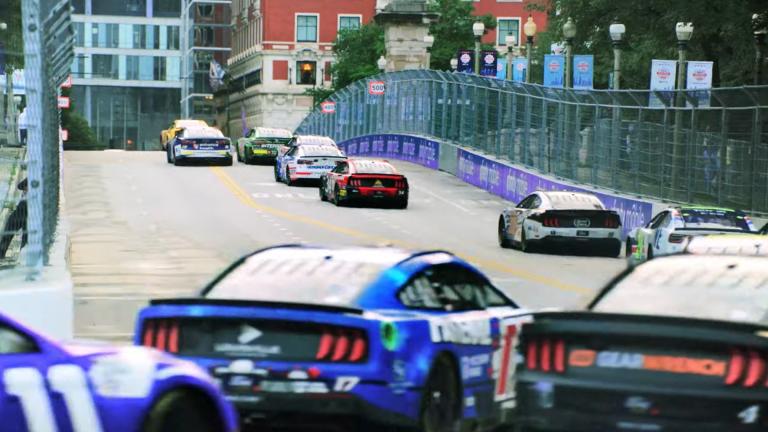
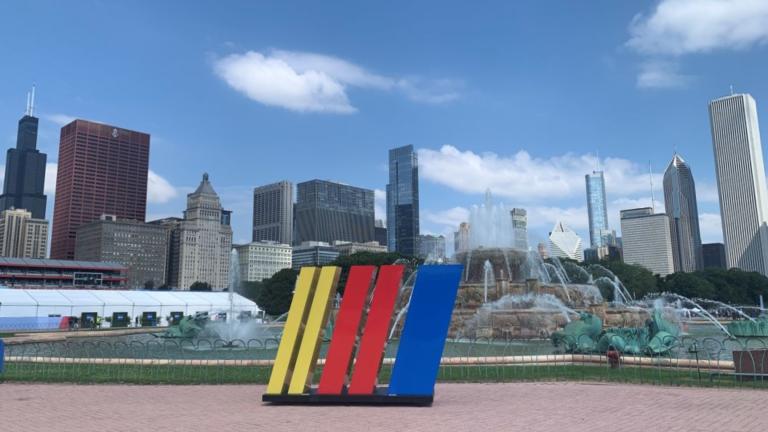
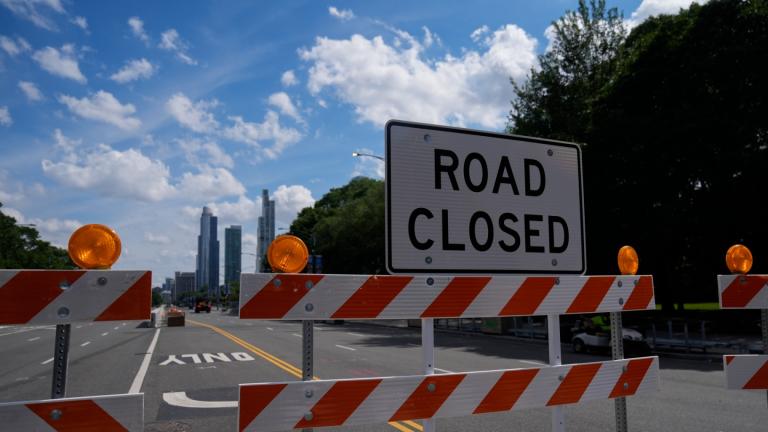
Downtown roadways are starting to reopen after the weekend’s NASCAR festivities wrapped up.
The race returned to Chicago for the second year after officials said it added $109 million to the city’s economy last summer.
But some don’t think the attraction is worth the damage it causes to the streets and the environment.
The Grant Park Advisory Council voiced concerns to the Chicago Park District and the city regarding NASCAR’s contributions.
“The permit fees that they’re paying are much smaller than the permit fees being paid by Lollapalooza and Sueños,” said Leslie Recht, president of the Grant Park Advisory Council.
Last year, NASCAR’s required permit fee was $500,000. The contract added $50,000 this year, upping the total to $550,000. In addition to the permit fees, NASCAR is also required to pay the park district a $2 fee per admission ticket and a 15% commission on other merchandise items sold at the event, along with food and beverages.
Though the economic impact hasn’t been released yet, some advocates don’t believe the money generated is worth the environmental damage.
“We are in a climate crisis, we see the effects of that every day on the news, we have record-breaking heat, we have severe storms that are happening more frequently than ever,” said Katherine Tellock, co-founder and executive director of Chicago Environmentalists. “So why is our city leadership choosing to reinforce a culture that says that burning fossil fuels for entertainment is acceptable?”
Mayor Brandon Johson included environmental justice and air quality concerns as part of his campaign platform and reinstated the city’s Department of Environment. However, advocates feel the event is moving in the opposite direction of prioritizing sustainability.
Some scientists argue that because NASCAR is a limited-time event and doesn’t release as much gas emissions as everyday cars do on the highway the race has a small negative environmental impact.
However, the lack of catalytic converters in the cars means toxins including nitrogen oxides, hydrocarbons, and carbon monoxide are released.
“We are a city that has struggled with air quality issues for a long time … some neighborhoods in the city, environmental justice areas, already struggled to breathe that have higher rates of asthma and other respiratory issues,” said Tellock. “And we are choosing to pollute our air intentionally for the sake of a tourist event, for the sake of entertainment when other people are already struggling.”
Last year the city spent $3.25 million in police overtime and road repairs for the race. Whatever amount is generated this year will be paid by NASCAR. The event is under a three-year contract, but if it were to become a regular summertime time occasion some residents do have concerns.
“I think the key to me is what is NASCAR bringing back to Grant Park, to the city. They need to pay more from my perspective,” said Recht.